
The first time Belinda Jackson shared the manifesto for The Sisters Wine with me, it was like a punchline to a joke every woman already knows.
“We rush from one thing to the next. Multitasking, our collective middle name. Are we too busy to spare a thought for our own needs?”
That was it. That was the whole brief.
Belinda had the vision. She had a Marlborough wine brand, five varietals, and the clearest articulation of a target audience I had seen in years. Women who juggle everything and never stop to acknowledge how much they carry. Women who deserve a moment. Women who needed a brand that understood them without talking down to them.
What she did not yet have was the brand architecture, the digital presence, or the content and campaign strategy to bring that vision to life at scale.
That is where we started.
Building the brand
The Sisters was not just a wine brand. It was a movement. That distinction shaped every decision we made together.
We built the brand strategy around one idea: empathy not aspiration. Most wine category content talks at women. It tells them what to pair, when to drink, what to appreciate. The Sisters talked with them. It knew the school run. It knew the 7pm moment when the kids are finally in bed. It knew the sore cheeks from laughing too hard with girlfriends who get it.
Every piece of content, every label, every campaign asset we created had to pass one test. Would a woman pick this up and think: that is me?
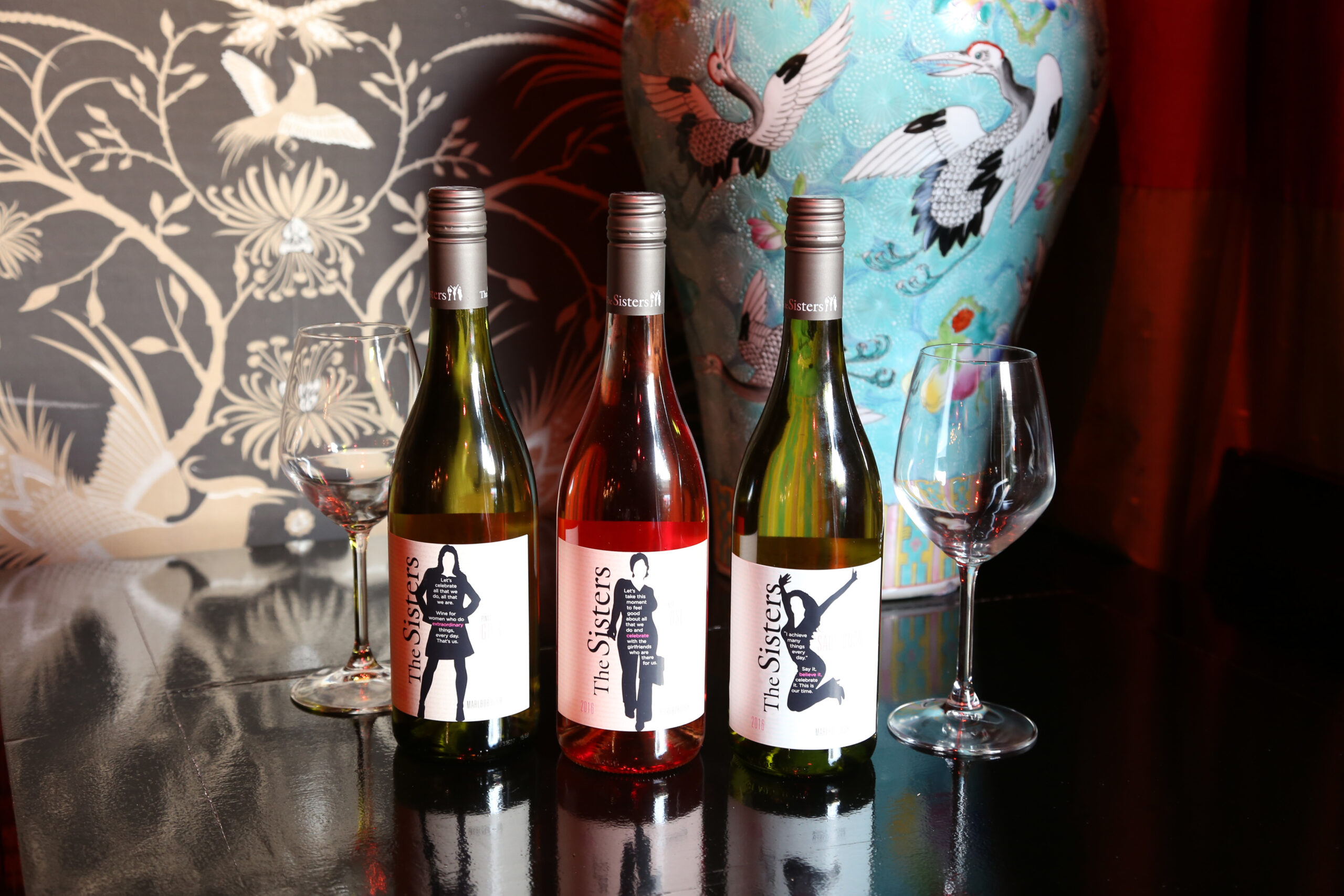
The five varietal labels each carried a silhouette of a woman in a different role. The jumper. The briefcase. The mum with the bag. On the front of every bottle, the same words: “Life is busy. There’s never enough time. I work hard, juggling everything. I want to celebrate and enjoy this moment. It’s my time.”
That was not marketing copy. That was a woman’s actual inner dialogue on a supermarket shelf.
Building the community
The digital hub at thesisterswine.co.nz was built as a lifestyle magazine, not a winery brochure. Fashion, food, inspiration, real women’s stories. Content that people came back to because it was genuinely for them, not for the algorithm.
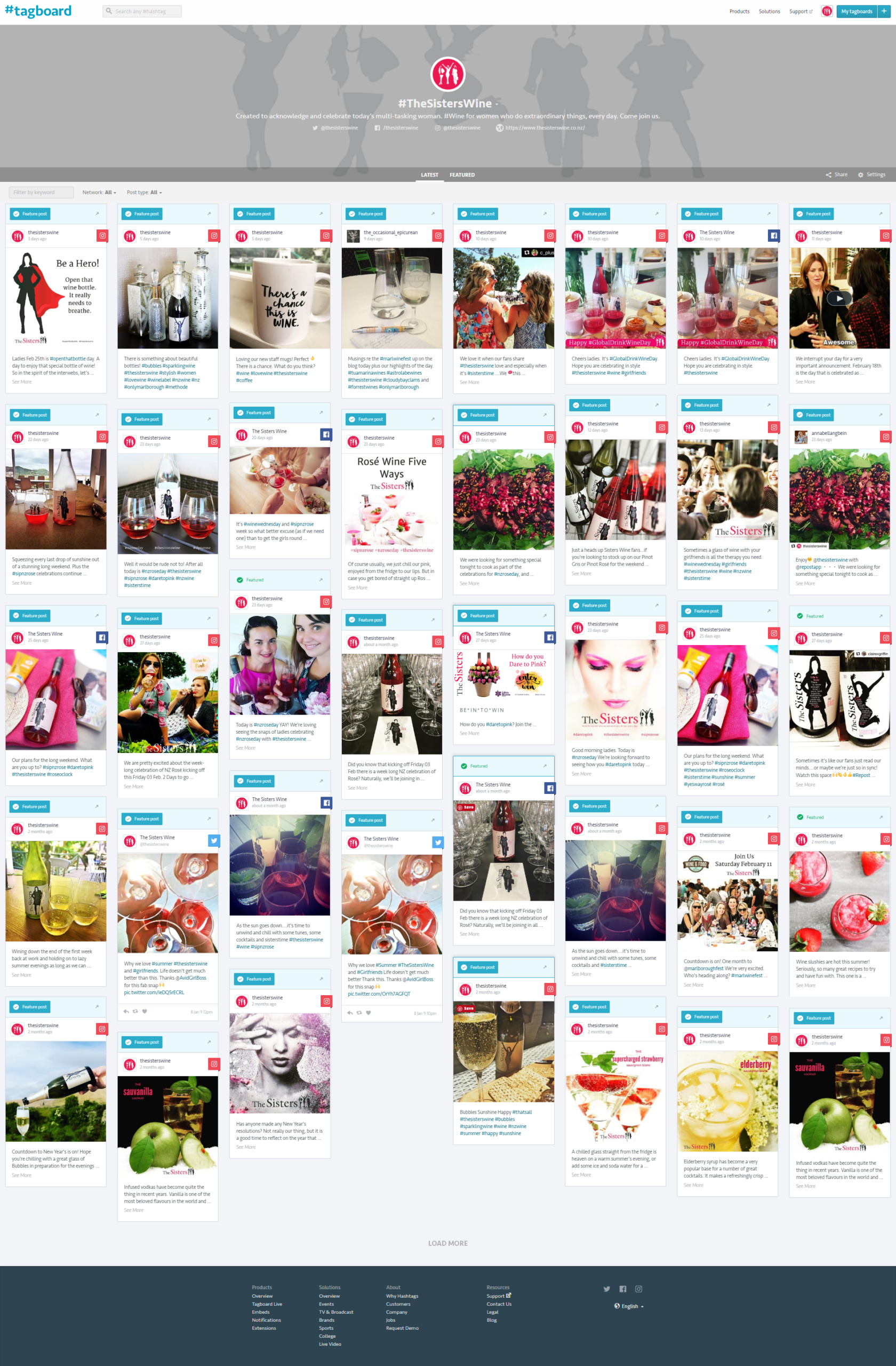
Social was structured by platform purpose. Facebook for community conversation and sharing. Instagram for the visual brand world. Twitter for the cultural moments. The hashtag was #ASistersMoment. Not a product push. An invitation.
Partnerships extended the reach. Flossie Concierge. Bloggers Club. A brand ambassador programme through chasingcait.com. None of these were paid placements. They were genuine audience fits, chosen because the people in those communities were exactly the women The Sisters was made for.
The #DressForSuccess campaign in late 2016 tied 50 cents from every bottle sold to Dress for Success NZ. It ran across blog content, social media, influencer outreach, in-store promotion, and a feature in Woman’s Day magazine. The brand appeared in NEXT magazine editorial. Not advertising. A brand worth writing about.
The results
At the end of year one, the cumulative reach across Facebook and Twitter was 1 million people. Organic. Built through community, not ad spend.
The #DressForSuccess campaign generated over 162,000 impressions and nearly 4,000 engagements across a single two-month window. Social accounted for 42% of all website traffic. People were staying too. Average session was five minutes and 21 seconds. Over 3,000 inbound messages, comments, and queries arrived in the first year alone.
These numbers matter because of what they reflect. A community of women who felt the brand understood them, shared content because it was worth sharing, and came back.
What this taught me
The insight I took from The Sisters into every brand and content strategy since is this. The most effective brands do not describe a product. They mirror an experience the audience already lives.
Belinda had a manifesto that was immediately true to the women it was written for. Building the brand around that truth, and then building a community around that brand, is what made the numbers possible.
When a brand genuinely understands who it is for, content becomes a conversation. And conversations, when they’re honest, are what people actually share.
If your brand has a story that belongs to the people it serves and you’re not sure how to tell it in a way that lands, that’s worth a conversation.


